A hatchery and a wild encounter are different
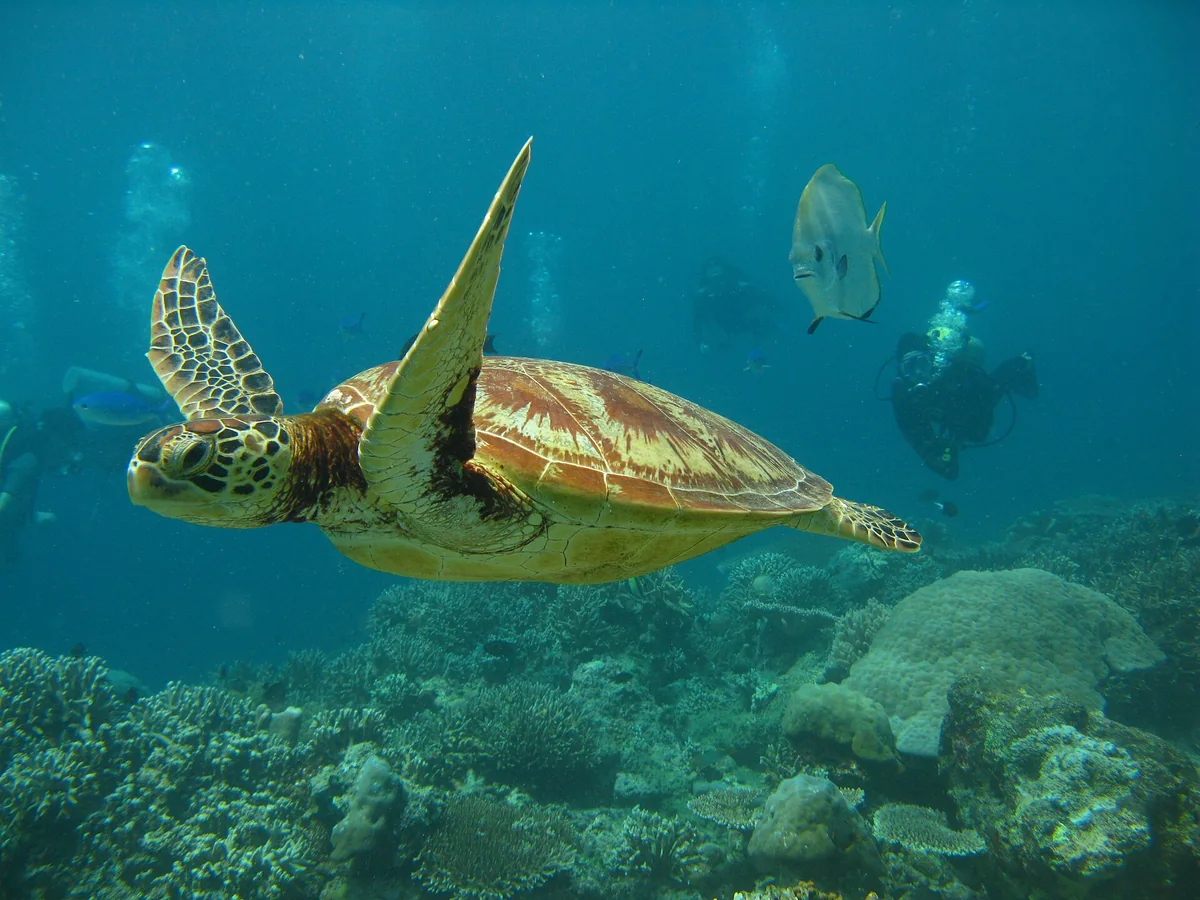
A hatchery visit takes place at a managed facility; seeing a turtle at sea is a wildlife encounter with no guaranteed sighting. The Sri Lanka Coast Guard describes a turtle conservation programme that includes a hatchery in Hikkaduwa. This does not mean every business advertising a turtle stop is part of that programme. Ask for the centre’s name and who manages it.
Questions worth asking before you visit
Ask why turtles are being kept, whether there is a rehabilitation or release programme, and how visitors’ fees support the work. A useful explanation should go beyond an invitation to hold an animal. Published research on Sri Lankan hatcheries shows that their activities and potential conservation contribution need careful assessment; a “conservation” label alone is not enough to judge a facility.
Keep the encounter gentle
Our recommendation is a hands-off visit: watch quietly, keep clear of animals moving towards the water and avoid flash photography. Do not feed wild turtles or pay for a staged handling or release experience. If a visit centres on posing with animals rather than explaining their care, you can choose another stop. Children can enjoy noticing movement, patterns and behaviour from a respectful distance.
Fit the stop into a coastal day
If you are arranging a coastal tour, decide whether this is an essential stop or an optional one. Confirm current visitor access, opening hours, admission, the amount of time allowed and any other planned stops directly before departure. No admission price or release schedule is promised here: these must be checked with the chosen centre.
Before you go
- Get the exact centre name before agreeing to a tour.
- Ask how care and visitor fees support conservation.
- Choose observation over handling or staged releases.
A helpful detail
Are turtle sightings guaranteed?
No wild sighting is guaranteed. A hatchery is a separate experience; check its visitor access and programme directly.
BLISS BLESSINGS · HIKKADUWA